🏫 All About Navodaya
Discover everything about Navodaya Vidyalayas—India’s top residential schools providing free quality education to rural students. Learn about JNVs’ mission, admission process etc.
🧭 Introduction: What is Navodaya?
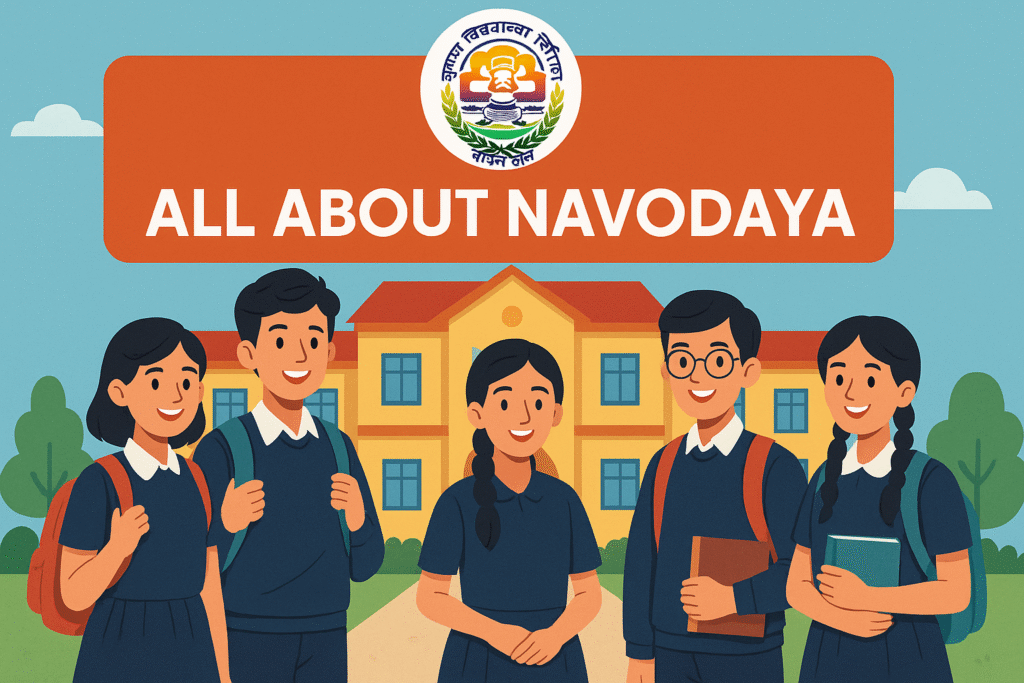
Jawahar Navodaya Vidyalayas (JNVs), commonly known as Navodaya schools, are a unique chain of fully residential, co-educational schools under the Navodaya Vidyalaya Samiti (NVS), an autonomous body under the Ministry of Education, Government of India.
These schools aim to provide free and quality education to talented children from rural areas across India. With over 650 JNVs spread across the country, Navodaya has become a symbol of excellence and equity in Indian education.
🌟 Vision and Objectives of Navodaya
JNVs were envisioned as an inclusive model of education that could:
- Identify talented rural children and provide them with education equivalent to the best in urban areas.
- Promote national integration through migration of students between Hindi-speaking and non-Hindi-speaking regions.
- Provide opportunities for children from all socio-economic backgrounds, ensuring equality of opportunity.
- Serve as centers of excellence in rural areas to uplift the standard of education.
📜 The Origin of Navodaya Vidyalayas
The idea was born out of the National Policy on Education, 1986, which emphasized the need to bring out hidden rural talent. The first two Navodaya Vidyalayas were established in Amravati (Maharashtra) and Jhajjar (Haryana) in 1985.
From these humble beginnings, Navodaya has now become a national network of high-quality schools that combine tradition with modernity.
🏫 Structure and Features of JNVs
Here are some distinctive features that make Navodaya Vidyalayas stand out:
🛏️ 1. Residential Setup
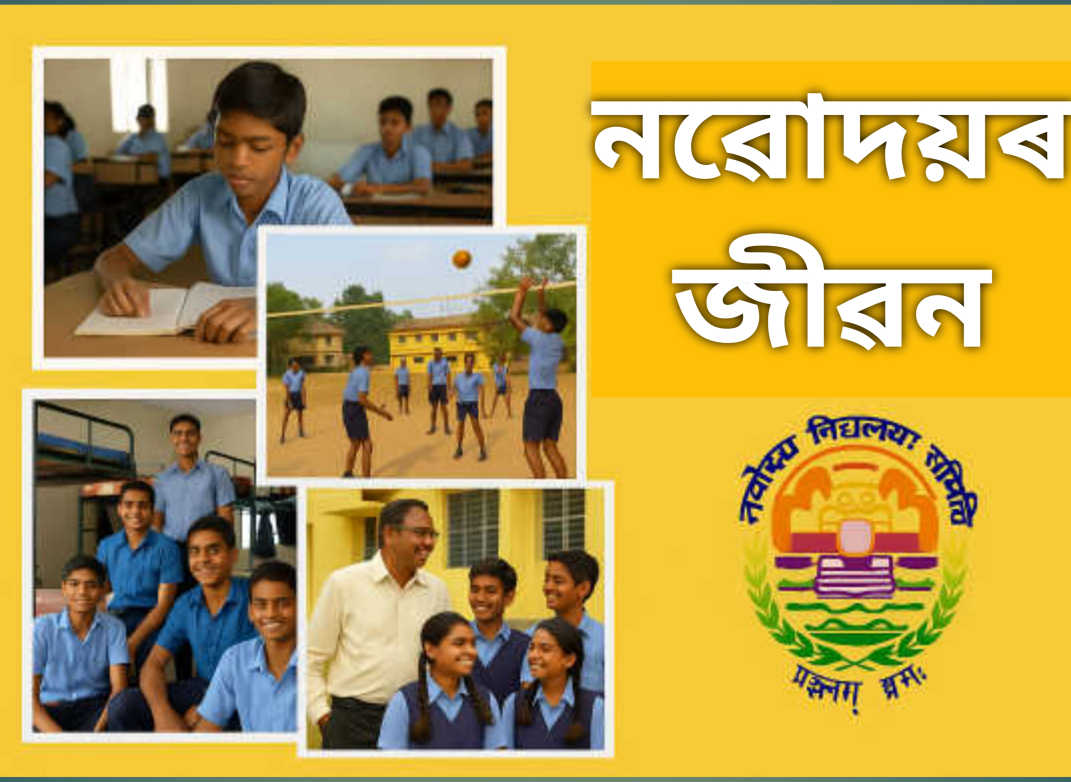
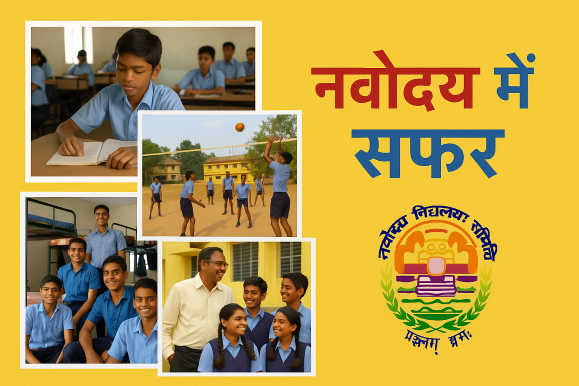
Every JNV is fully residential, with free lodging, boarding, books, uniforms, and daily needs. This helps create an environment where students can focus entirely on holistic development.
🌐 2. Rural-Focused Admission
At least 75% of seats are reserved for children from rural areas, ensuring that deserving students from underprivileged backgrounds get an opportunity to excel.
🧑🏫 3. High-Quality Education
JNVs follow the CBSE curriculum, with a strong focus on academics, extracurricular activities, and value education. The schools are known for producing top scorers in board exams every year.
🔄 4. Migration Policy
To promote national integration, a migration policy allows 30% of Class IX students from Hindi-speaking areas to spend a year in JNVs in non-Hindi-speaking states, and vice versa.
🧪 5. Modern Infrastructure
From science labs and smart classrooms to libraries, sports grounds, and computer centers, JNVs are equipped with modern facilities—even in rural areas.
📝 Admission Process: How to Get Into Navodaya
The admission to Class 6 in JNVs is through a competitive entrance exam known as the Jawahar Navodaya Vidyalaya Selection Test (JNVST). Here’s what you need to know:
✅ Eligibility
- Students studying in Class 5 in a recognized school.
- At least 75% seats are for candidates from rural areas.
- The candidate must be between 9 and 13 years of age.
📚 Exam Pattern
- Objective-type questions in Mental Ability, Arithmetic, and Language.
- The exam is conducted in multiple regional languages.
🆓 No Application Fee
The entire admission process is free of cost, including application, exam, and admission.
🎯 Achievements and Success Stories
JNVs are known for consistently high academic results, with many students getting into top institutions like IITs, NITs, AIIMS, and central universities. Some remarkable aspects include:
- Average CBSE pass rate above 98%.
- Olympiad and NTSE qualifiers every year.
- Former JNV students becoming doctors, engineers, civil servants, and even international researchers.
One inspiring example is Dr. Ramesh Gavai, who studied at a JNV in Maharashtra and went on to pursue research in Germany on a scholarship.
🌍 Cultural Diversity and National Unity
The migration policy and diverse student background foster an atmosphere of cultural understanding, language exchange, and unity in diversity. Festivals from all regions are celebrated together, and students become fluent in multiple Indian languages.
This creates emotionally intelligent, socially aware, and tolerant citizens who can contribute meaningfully to a pluralistic society.
🧘 Holistic Development: Beyond Academics
Navodaya focuses equally on:
- Sports & Physical Education
Regular competitions, yoga sessions, and inter-JNV meets. - Art & Culture
Music, dance, theatre, and exhibitions are integrated into the curriculum. - Moral and Value Education
Activities like morning assemblies, thought-sharing, and community service help build strong character.
🌐 External Links
For official details, visit:
🔗 Navodaya Vidyalaya Samiti Website
❓ FAQs About Navodaya
Q1. Is Navodaya education really free?
Yes, everything from tuition to boarding is free, except a nominal fee in classes IX–XII for boys (excluding SC/ST/BPL categories).
Q2. Can urban students apply for JNV?
Yes, but only 25% seats are reserved for urban students.
Q3. Which board do Navodaya schools follow?
All JNVs follow the Central Board of Secondary Education (CBSE).
🧠 Final Thoughts
Navodaya Vidyalayas are more than just schools—they are nurturing grounds for rural talent, offering equality in opportunity and shaping leaders of tomorrow. Their unique blend of academic rigor, cultural unity, and value-based learning sets them apart in India’s educational landscape.
If you’re a parent, student, or educator looking for a model of free, quality education, Navodaya stands as a shining example.